Navigating the New Under-16 Social Media Restrictions
A guide for families adjusting to the change!
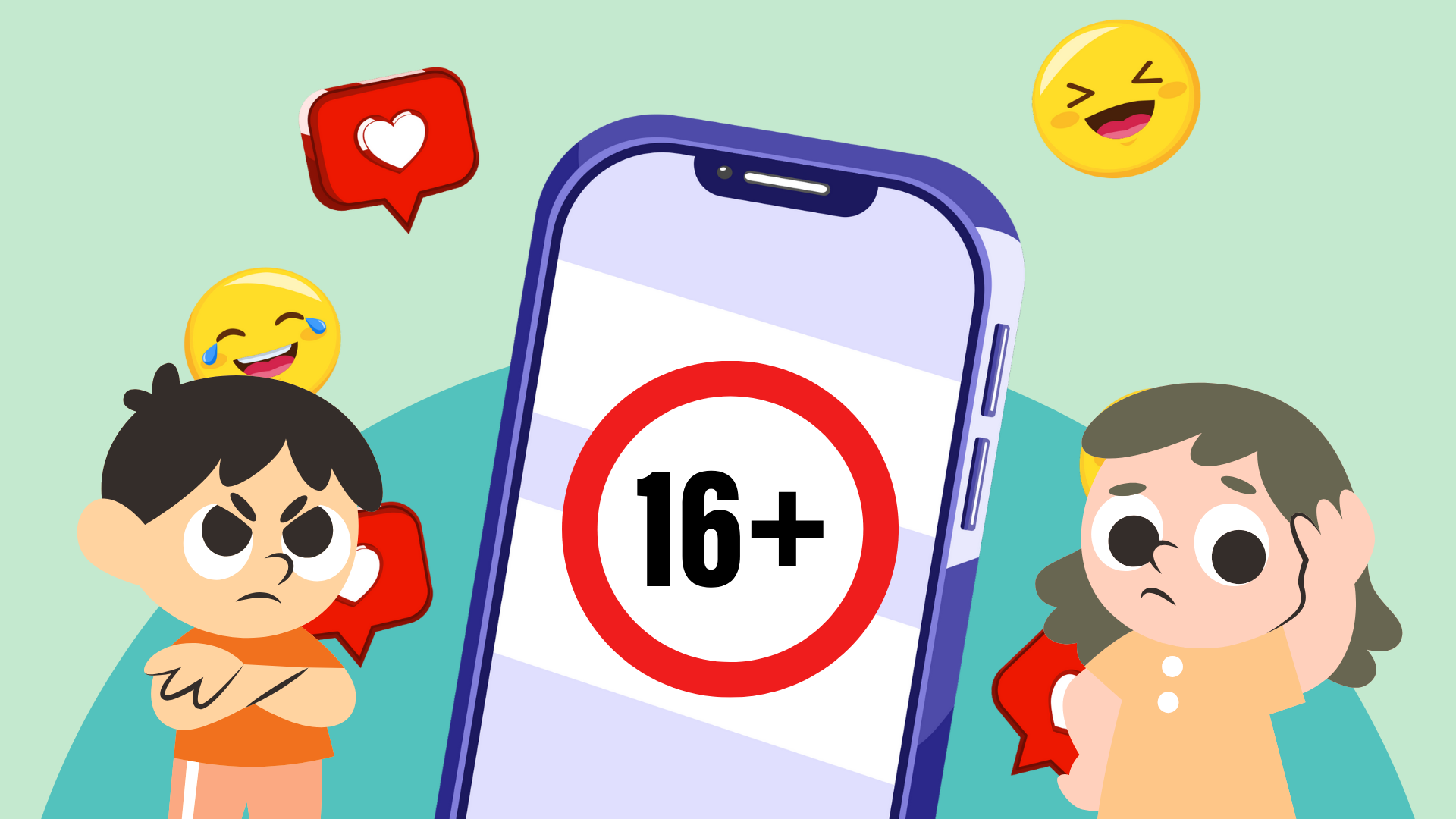
From 10 December, new rules will restrict social media use for children under 16 across Australia. For many parents, this has stirred a mix of relief and uncertainity. You might be wondering what this means for your child’s daily life, friendships, and wellbeing. You might also be bracing for frustration or pushback at home, and that’s completely understandable.
Regardless of whether you support the ban or feel sceptical about it, parents are now the ones who must help children adapt to the changes. Through connection, communication, and preparation, you can help your child feel supported and secure as their online world shifts.
Here’s a simple overview to help you feel more confident as you guide your family through this transition.

Apps that are banned from December 10 2025 for under 16s
What’s actually changing?
The new rules prevent children under 16 from having social media accounts. However, how this is enforced will vary from platform to platform. Some will rely on age-verification tools, others may request ID for older teens, and many will adjust their sign-up processes slowly over time.
Families may notice these changes rolling out inconsistently. Some platforms may be stricter. Others may lag behind, and children are already seeking out alternative apps, emerging platforms like Yope or Lemon8, or shifting more social activity into games and private messaging tools.
In other words: your child’s online behaviour may change, even if their screen time doesn’t. This is why your presence, not policing, is the most protective factor.
How children might feel
For many young people, social media isn’t just entertainment. It can be:
the place their friends talk after school
where they express identity
how they explore interests
how they stay connected when they feel shy or isolated
Suddenly losing access can feel like losing a social limb. Some children may feel relieved, but many will feel left out, embarrassed, or angry. Randall C Hughson, Director of Spectral Cyber & Cybergency, notes that “control of ideas, information, and discourse has been an issue every generation,” reminding us that young people feel these shifts just as deeply as earlier generations felt changes in television, music, or technology.
These feelings are real. Supporting them is far more effective than dismissing them. This is your chance to reassure them that although change can be hard, they won’t go through it alone.
Start with connection, not correction
When navigating this change, open, warm, and curious conversations are your greatest tool. Rather than focusing on rules first, begin with your child’s feelings.
You might say:
“How are you feeling about these new changes?”
“What part feels the hardest for you?”
“Is there something you’re worried you’ll miss out on?”
Hughson encourages parents to “take a mental health approach” and to help children “accentuate the positives,” noting that kids can still connect safely through gaming and other moderated digital spaces.
Let your child know this isn’t about punishment. These rules are there to help protect them online. This builds emotional safety, which makes cooperation far more likely.

Get your kids outside these school holidays with their friends! Remind them that while social media is banned, their friendships aren’t over!
Helping your child
adapt socially
Kids are resourceful and will naturally look for ways to stay connected. Some will follow rules; others may try to sidestep them. This is where gentle, steady guidance matters.
You can support your child by:
Offering alternatives: shared games, safer messaging tools, in-person catch-ups, or structured group activities.
Protecting their sense of belonging: talk about friendships, group dynamics, and what healthy connection looks like.
Validating their feelings: “It makes sense that you feel left out. Most kids would feel the same.”
Keeping routines steady: consistent sleep, mealtimes, and after-school rhythms help buffer change.
Hughson also warns that “kids will find ways to bypass restrictions”, like using a sibling’s account, borrowing a friend’s phone, or jumping onto new platforms quickly. Awareness helps you respond calmly rather than reactively.
Remember: social safety is emotional safety. When a child feels anchored at home, losing one online space feels far less overwhelming.
Why this change is happening
Behind these new rules are real concerns that have been growing for years. Children are increasingly exposed to risks online such as:
addictive and manipulative design
cyberbullying
scams
strangers contacting them through games or apps
pressure to share photos or personal information
AI-generated falsified imagery
exposure to adult content or high-conflict interactions
Hughson highlights the scale of online risks, saying “problems, predators, and scammers are everywhere online” and that safety requires regular family conversations, not one-off warnings.
The ban won’t eliminate these threats, but reducing access to the biggest platforms may slow the rate of exposure and give parents more space to guide their children safely.
Your approach matters more than the technology
Children learn emotional security, judgement, and safe behaviour through gentle guidance, not through fear or shame.
As your child’s online world shifts, consider strengthening your own digital habits alongside them. This might include:
reviewing the personal information you share online
using stronger passwords and a password manager
being mindful of your own screen habits
going offline with your child at set times
having small, regular conversations about online safety
Hughson encourages parents to “take the time to understand what kids are doing on devices,” adding that “the easiest security to bypass is the parent who isn’t involved or aware.”
Modelling calm, thoughtful behaviour helps children see these changes as part of a shared learning journey, not something imposed without support.
Keep communicating about what they’re doing online
Young people socialise in many ways. They connect through gaming, messaging, and emerging platforms that often fly under the radar.
You don’t need to track every app, but staying involved helps keep them safe. Try:
asking what games or apps they’re using
getting familiar with the platforms they enjoy
helping them switch off location tracking
encouraging them to come to you if something feels uncomfortable
keeping devices in shared family spaces

If something doesn’t feel right…
Kids often hide uncomfortable online experiences because they feel embarrassed, scared, or worried they’ll get in trouble.
If you notice mood changes, secrecy, withdrawal, or sudden behaviour shifts, approach gently.
You might say:
“You seem a bit quieter after gaming lately. Is everything okay?”
“If anything online has upset you, I’m here. You won’t be in trouble.”
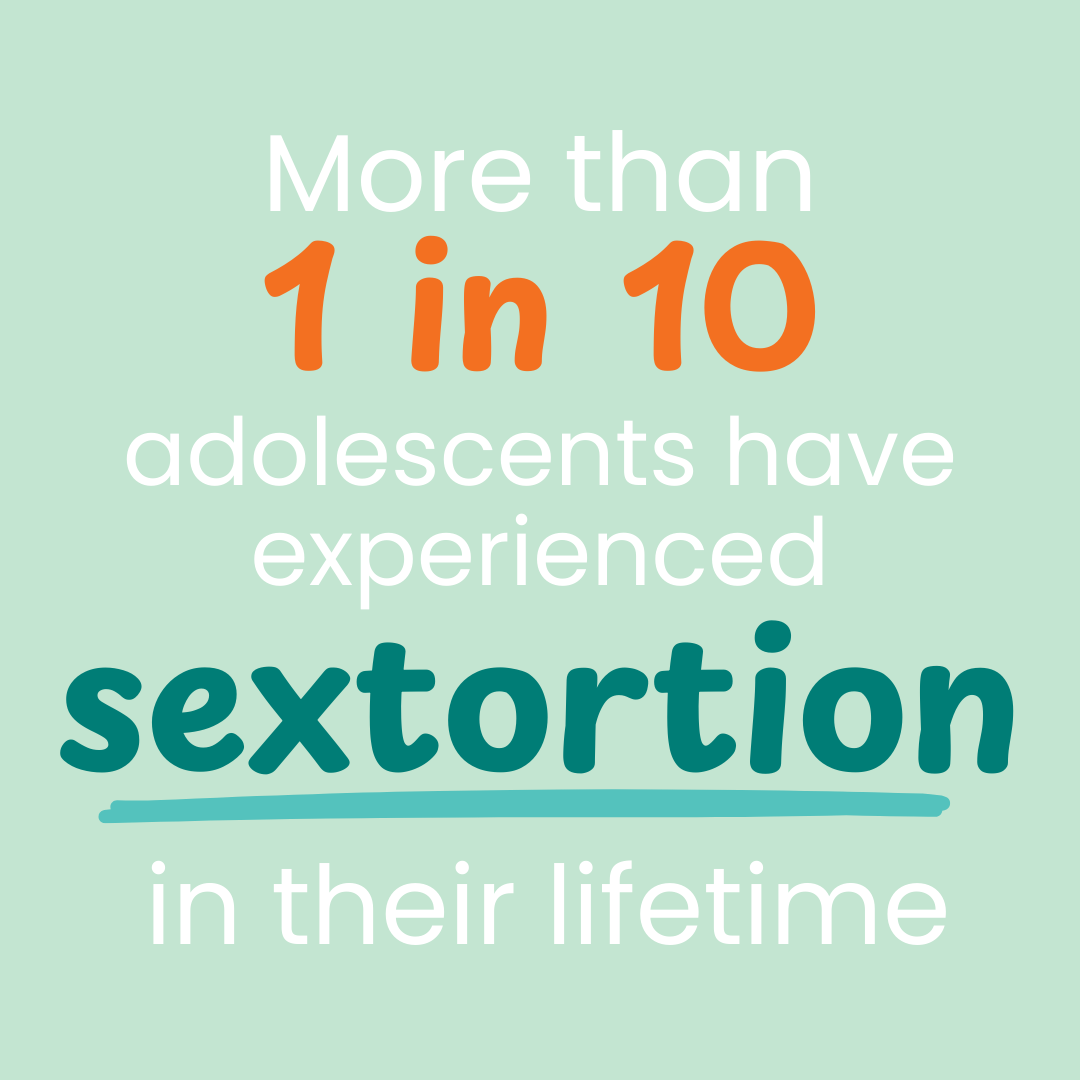
Hughson stresses that sextortion and scams can happen to any young person. Remind them that safe adults exist, help is available, and no child is ever to blame for someone else’s harmful behaviour online.
Where parents can go for support
If you ever feel unsure or need guidance, these are reliable places to start:
eSafety Commissioner
Reporting tools, removal of harmful content, safety advice.
https://www.esafety.gov.auAustralian Centre to Counter Child Exploitation (ACCCE)
For reporting exploitation or suspicious contact.cyber.gov.au
For reporting scams, compromised accounts, or cyber incidents.SAPOL / your state police
For immediate threats or suspected criminal activity.Kids Helpline (1800 55 1800)
Confidential support for children and teens.Lifeline (13 11 14)
Crisis and mental health support for parents and families.
Hughson and the team at Spectral Cyber & Cybergency also provide family-friendly information, practical advice, and updates on emerging cyber risks.
This is a big change, and it’s okay if you and your child feel unsure. Most of us are still figuring out our own relationship with technology, let alone guiding children through evolving online risks.
You don’t need to be an expert.
You simply need to be present, warm, and willing to keep the conversation going.
When children feel understood and supported, they cope with change far better than we expect.