My Child Doesn’t Want To Go To School Anymore
What Parents Need To Know About Bullying
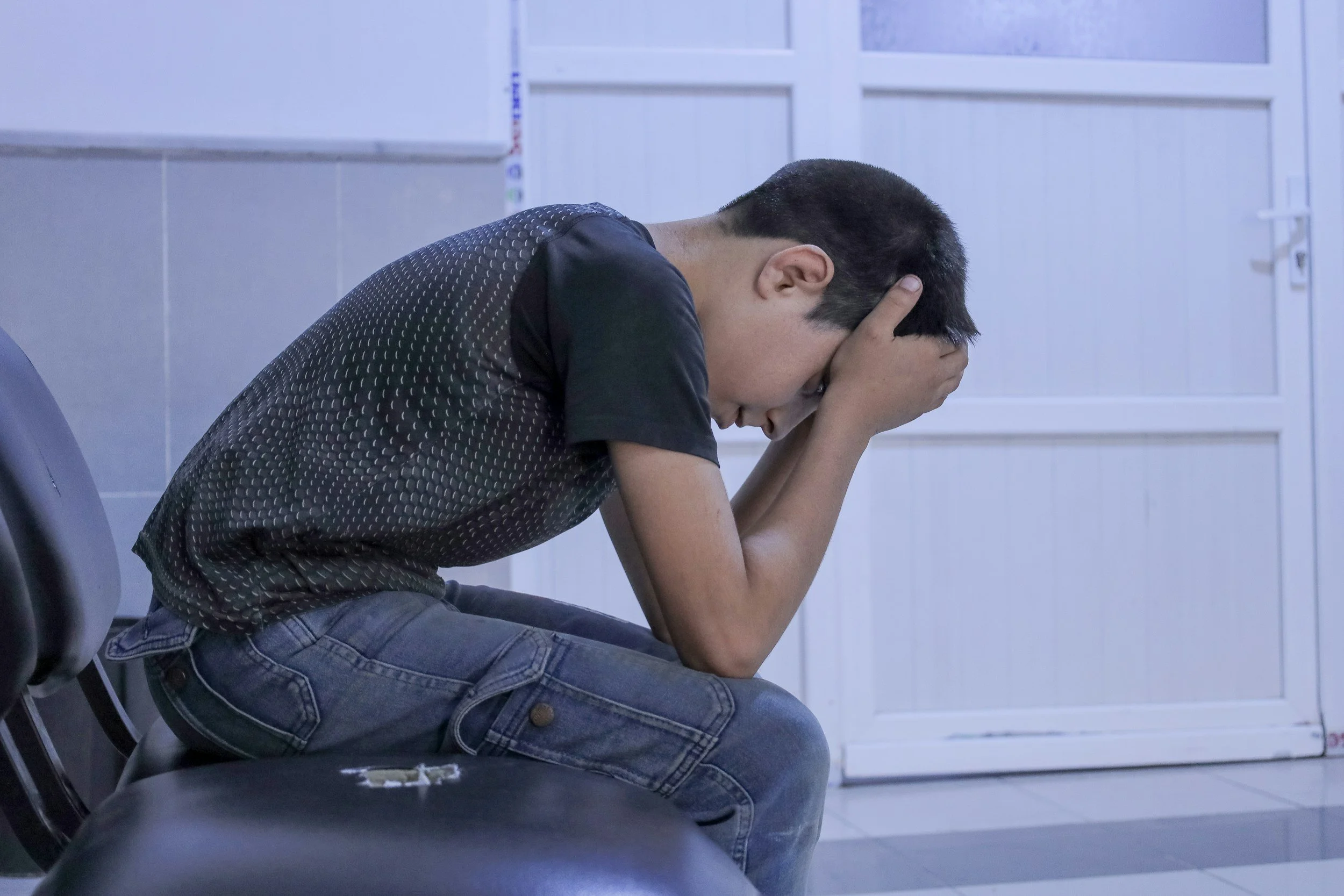
It's only the third week of term, and something has shifted. Your child, who was bubbling with excitement about new shoes, a fresh pencil case, and seeing their friends again, is now making excuses every morning. The stomach aches have started. The tears at drop-off have returned. And you're left standing in the doorway wondering: what on earth happened?
If this sounds familiar, I want you to take a breath. You're not alone, and you haven't missed something obvious. What you're experiencing is actually quite common, and it's one of the most distressing situations parents face during the school year.
The Honeymoon Period is Real
The first few days of school often carry a sense of novelty and optimism. Everyone's on their best behavior, teachers are establishing routines, and children are navigating new social dynamics. But by week two or three, the reality of the school year has settled in and sometimes, that reality includes challenges your child wasn't prepared for.
When a child who was genuinely excited about school suddenly refuses to go, it's rarely about the schoolwork. This dramatic shift almost always points to something happening in the social or emotional landscape of school life, and the most common culprits are bullying, teasing, or other social stressors that make school feel unsafe.
This might look like:
Your child might not use the word "bullying." In fact, they might struggle to articulate what's wrong at all. Instead, you might notice:
Physical complaints that seem to appear only on school mornings - headaches, tummy aches, feeling sick.
Reluctance to talk about school or friends when they used to share openly.
Changes in their eating or sleeping patterns.
Coming home hungry (perhaps their lunch was taken or they felt too anxious to eat)
Lost or "forgotten" belongings.
Increased clinginess, tearfulness, or emotional outbursts.
Statements like "nobody likes me" or "I'm no good at anything".
These signs deserve your attention, even if your child hasn't explicitly told you something is wrong. Children often feel ashamed about being bullied, worry they'll make things worse by telling, or fear they won't be believed.
First Steps: Listen without fixing
You might have an instinct to solve this as fast as possible, marching into school and making it stop, but the very first thing your child needs is to feel heard and believed.
Find a quiet, comfortable moment - perhaps at bedtime, during a car ride, or while doing an activity together. Keep the conversation gentle and open-ended:
"What was the best part of today? What was the hardest part?"
"How do you feel about going to school tomorrow?"
"If you could change one thing about school, what would it be?"
When they do open up, resist the urge to minimise their experience ("Oh, kids will be kids") or immediately problem-solve ("Why don't you just tell them to stop?"). Instead:
Believe them. Say it clearly: "I believe you. Thank you for telling me."
Validate their feelings. "That sounds really hard. No wonder you've been feeling upset."
Reassure them it's not their fault. Children often internalise bullying as evidence that something is wrong with them. Explain that it is never the victim's fault.
Avoid unhelpful responses like "You need to stand up for yourself" or "Just ignore them." These suggestions, while well-meaning, can make children feel inadequate or that they're somehow failing to handle the situation properly.
Partner with the school
You cannot solve school-based bullying without the school's involvement. Schools have a responsibility to provide a safe learning environment for your child. Make an appointment to speak privately with your child's teacher. When you do:
Present it as a shared concern. "My child has told me that another child has been calling them names and excluding them at lunch. I'd really appreciate your help in understanding what's happening and working together to address it."
Share specific details. The more concrete information you can provide, the better. What happened? When? Where? Who was involved?
Ask for the school's perspective and for information about their anti-bullying policies.
Stay calm and collaborative. Even if you're frustrated or angry, approaching this as a partnership rather than an accusation will get better results.
Leave with a concrete plan. What specific steps will the school take? Who will monitor the situation? When will you follow up?
Start keeping a record of incidents: dates, times, what happened, who was involved, and how it affected your child. This documentation is invaluable if the situation doesn't improve and you need to escalate your concerns to the principal or beyond.
For teachers:
It can be a difficult challenge managing all the parties involved. Here are some strategies to help when a parent has raised concerns about their child:
Consider placing the child near friendly, supportive students. Sometimes our best interventions are as simple as thoughtful seating arrangements. Many of us can trace our childhood friendships back to being placed beside the right classmate)
Conduct class discussions about your classroom values, including kindness and inclusion, and why teasing and exclusion cause harm.
Make a point of checking in during recess and lunch to ensure the child has playmates and is being included in games and activities
Run cooperative learning activities that require children to work together towards a shared goal, followed by debriefs about how teamwork and kindness contributed to their success
These simple things can influence classroom dynamics in powerful ways. They don’t single out the child being bullied and create an environment where inclusion becomes the standard.
Support your child while working on the problem.
While the adults work on stopping the bullying, your child needs ongoing support:
Maintain routines as much as possible, even though it's hard. Avoiding school entirely can actually increase anxiety over time.
Build their resilience and coping skills. Help them identify trusted adults at school they can turn to. Practice calm-down strategies for managing big feelings. Role-play responses to difficult situations.
Protect their interests and friendships. Encourage activities outside school where they feel confident and connected. Having even one close friendship can be protective.
Watch for signs of deeper distress. If your child shows signs of depression, ongoing anxiety, self-harm, or if the school refusal continues despite intervention, involve your GP or a psychologist. Some children need additional support to process what's happened and rebuild their sense of safety.
If things don’t improve:
Most schools will respond appropriately once they're aware of a problem. But if the bullying continues, you may need to escalate:
Follow up in writing with the teacher and copy the principal
Request a meeting with the principal or deputy principal
Ask for more intensive monitoring and intervention
In severe cases, you may need to consider involving external authorities or even a change of school
This last option is never taken lightly, but sometimes a fresh start is the healthiest choice for a child whose wellbeing is being significantly impacted.
Parents, you matter too.
Watching your child suffer is agonising. You might feel guilty ("Why didn't I notice sooner?"), angry ("How dare they treat my child this way?"), or helpless ("What if nothing works?"). These feelings are all valid.
Remember that you're not overreacting by taking this seriously. Bullying can have real and lasting impacts on children's mental health, self-esteem, and academic progress. Your advocacy matters enormously. Be patient with yourself and the process. Resolving these situations takes time, persistence, and often multiple conversations. You're doing the right thing by taking it seriously, believing your child, and working to create change.
That excited child from the first day of school is still there. With the right support from you, from the school, and sometimes from professionals, they can rediscover their sense of safety and joy in learning. It won't happen overnight, but it will happen.
Author:
Dr Terence Sheppard
Paediatric Psychologist, Adelaide
Author of Positive Parenting: A Guide to Raising Psychologically Healthy Children