Going Back to School in 2026
How To Help Our Kids Make A Confident, Connected Start
As we approach the start of the new school year, many families are juggling mixed emotions like excitement or nerves. Whether your child is starting primary school, moving into high school, or navigating their final years, every new year can bring a mix of familiar and new challenges to contend with.
Growing concerns about school attendance in Australia, coupled with the changes in our children' s digital lives under the new social media ban, 2026 looks set to be a year where connection, resilience, and parental support really matter.
The State of School Attendance in Australia
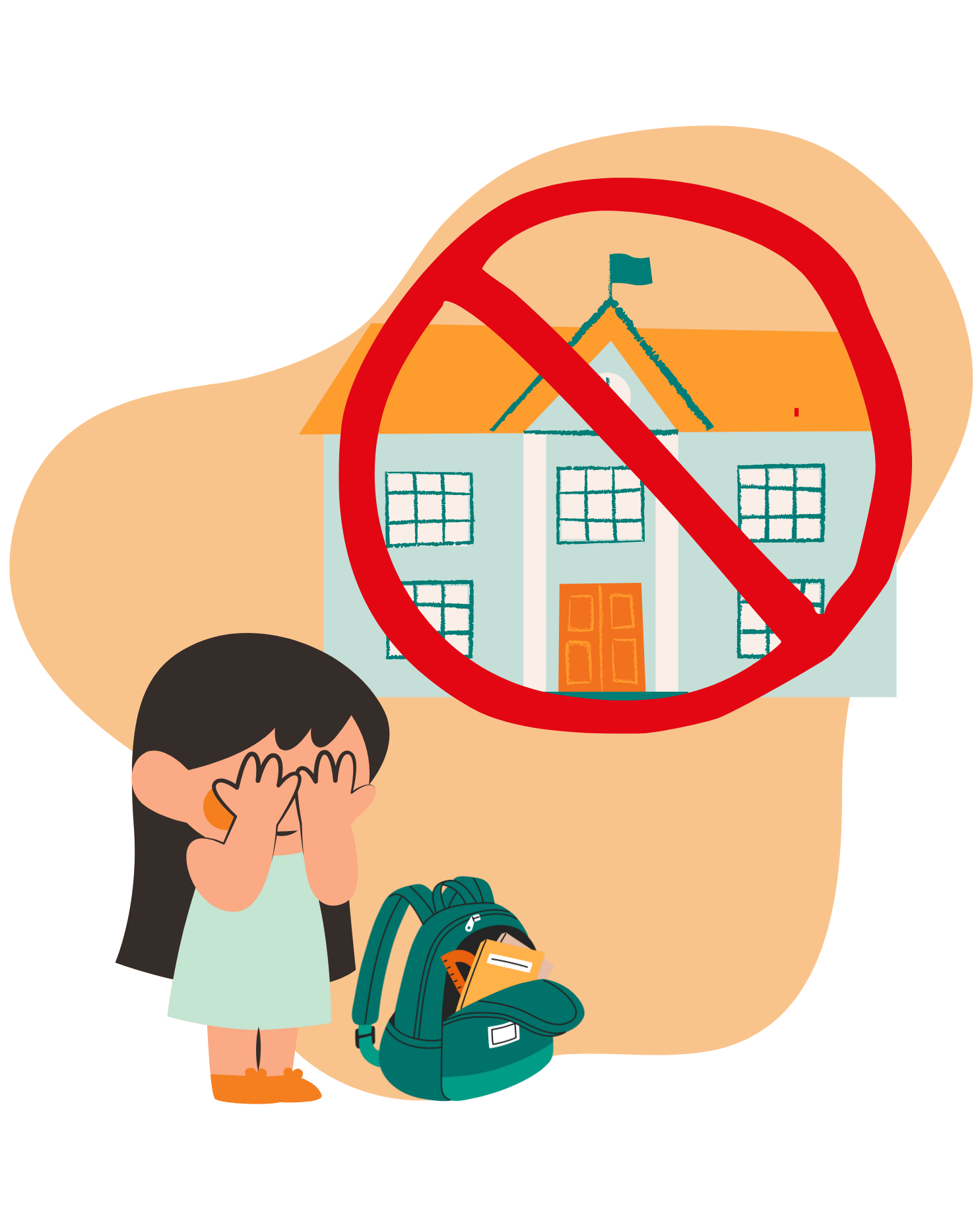
Australia is facing a real attendance challenge. In recent years:
Around 40% of students miss at least one in every 10 school days, which is equivalent to about a month of learning each year. (Grattan Institute, 2025)
On any typical school day, about 11% of students are absent. (Grattan Institute, 2025)
Since 2018, regular attendance at school has dropped in 96% of Australian schools (Grattan Institute, 2025)
Missing school regularly isn’t just an issue for our kids’ academic development. It can affect our children’s sense of belonging, friendships, social confidence and mental wellbeing. In a year of huge social change with the banning of social media, maintaining social confidence and friendships has never been more important. At the same time, many absences are influenced by genuine barriers like health issues, anxiety, bullying, or family circumstances.
What to do if your child feels reluctant to go to school:
It’s important to remember that reluctance and avoidance are your child’s way of communicating. These feelings don’t mean your child is “bad” or you’re “failing” as a parent. They often show your child is overwhelmed or worried.
Ask open questions like:
“What’s the hardest part about school for you right now?”
“When you imagine the school day, what comes up first in your mind?”
“What might make tomorrow easier?”
These conversations help children feel understood, which significantly increases the chances they will choose to attend school.
If school absence feels persistent, it can be useful to talk to your child’s teacher or school wellbeing team early so you can support attendance with shared strategies.

Teens, Screens and the New Social Media Era
Australia’s world-first ban on under-16 social media accounts is now in effect. Removing hundreds of thousands of under-16s accounts from platforms such as Facebook, Instagram, TikTok and Snapchat. This shift has stirred a lot of discussion:
Many Australian adults support the idea of restricting social media use for younger teens, with the main reasons being concerns around mental health, exposure to harmful content, and peer pressure.
At the same time, technology companies argue that young people often find ways around bans and may move to less regulated spaces.
For parents, this ban presents both opportunities and challenges.
Talking about digital life with your child
For many teenagers, social media is a huge part of how they connect with friends, express identity and even find support. Instead of only focusing on the new limitations, we suggest highlighting the importance of in-person connection with friends and the benefits of this change. Perhaps they could find a new extracurricular they want to try, like sport or a musical instrument, or find more time to put into their studies.
Both parents and teachers will be faced with new challenges as this ban will have big impacts on children’s social development, especially in high school, which is already a challenging time. Being open and understanding of your child’s feelings throughout this change and the back to school period will make this transition smoother for families and schools.
Starting the Year with Confidence
Regardless of age, the new school year can bring up strong feelings of anxiety. It is normal for the majority of kids to settle into the school routine quickly but for some, this anxiety about school can grow to become generalised fear about coping with change or big events in the future. Here are a few practical habits that can help children thrive at school and in life:
1. Practice predictable routines
Having healthy routines around food and sleeping is a large part of helping children to feel secure and confident. Kids raised in disorganised and chaotic homes are more likely to develop ADHD, anxiety or depression. Consistent bedtimes, healthy breakfasts, and organised school bags might sound small but they help children feel calm, capable and ready for learning.
During holiday periods, it is common for routines to slip a little. This is fun provided it is a temporary change and doesn’t become the new normal. When we as parents return to work and greater structure returns to the home, standard routines should be reintroduced.
2. Build emotional vocabulary
Help your child name their feelings (“You look frustrated about school today”) without fixing them for them immediately. This teaches children emotional literacy and confidence in handling difficult moments.
3. Encourage autonomy and problem-solving
Ask your child what they think will help them if school feels hard. When children contribute ideas, they invest more in the outcome. Help them by acknowledging their fears but remind them about all the positives of returning to school. For example: playing with friends, learning new things, or going on excursions.
4. Connect school learning to real life
At pick-up, ask your kids questions about their day, like: “What was something you learned today?” or “What made you laugh at school this week?”. This reinforces the value of going to school and strengthens your parent-child connection.
5. Get out and get moving
It is so important for kids to have regular physical exercise. Getting out and moving is key for mental health and success at school. It promotes higher concentration levels, lowers stress, and improves academic performance. Try to make it a normal part of your child’s day to day, both during school time and the holidays.
Back to school isn’t just about books, uniforms or timetables. It’s about creating feelings of connection, confidence and belonging.
Some children bounce into the year with joy; others carry anxiety, uncertainty or resistance. That’s okay. What matters most is that your child feels seen, heard and supported in the effort of going to school.
As parents, your presence matters more than perfection. Show up with curiosity. Ask questions. Offer calm reassurance. And know that every step forward counts.
Here’s to a positive and resilient 2026.
Author:
Dr Terence Sheppard
Paediatric Psychologist, Adelaide
Author of Positive Parenting: A Guide to Raising Psychologically Healthy Children