
Why Are Dutch Kids So Happy and Resilient?
Lessons in Positive Parenting from The Netherlands
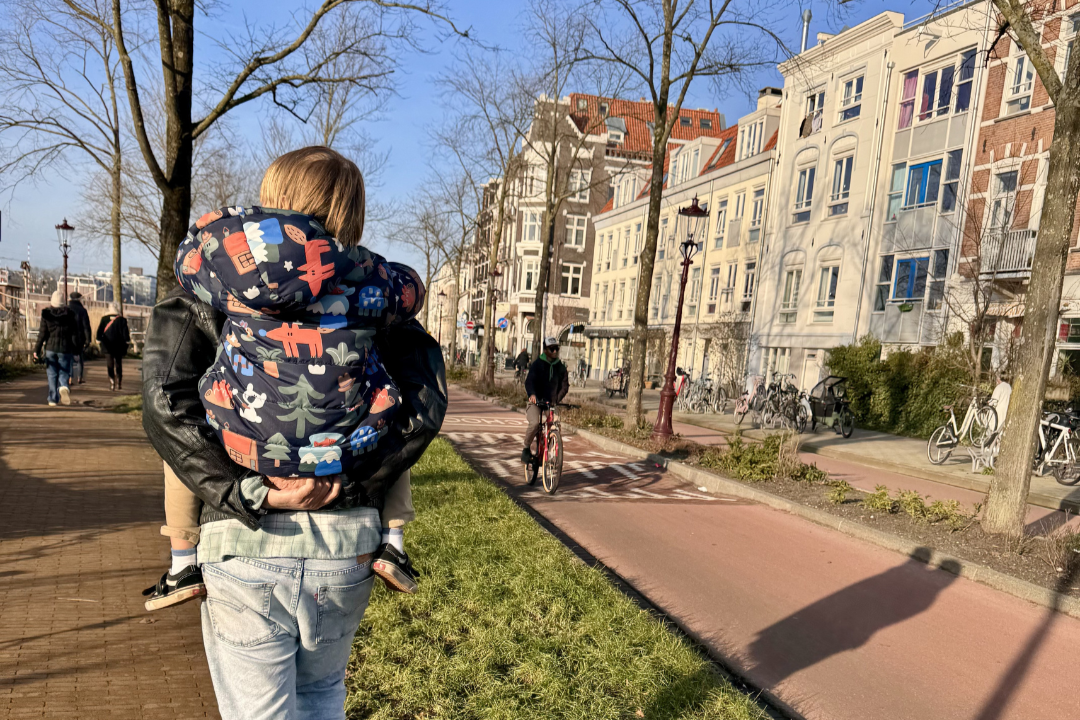
For three weeks, Milly and her family travelled through The Netherlands in the middle of winter, with temperatures dropping as low as -3°C, to better understand why Dutch children are often described as some of the happiest and most resilient in the world.
Winter felt like the perfect test. If children are thriving in freezing rain, icy winds, and short daylight hours, there must be something deeper at play than just good weather.
Here’s what we observed and what it might mean for positive parenting.
1. Independence Starts Early and It’s Normal
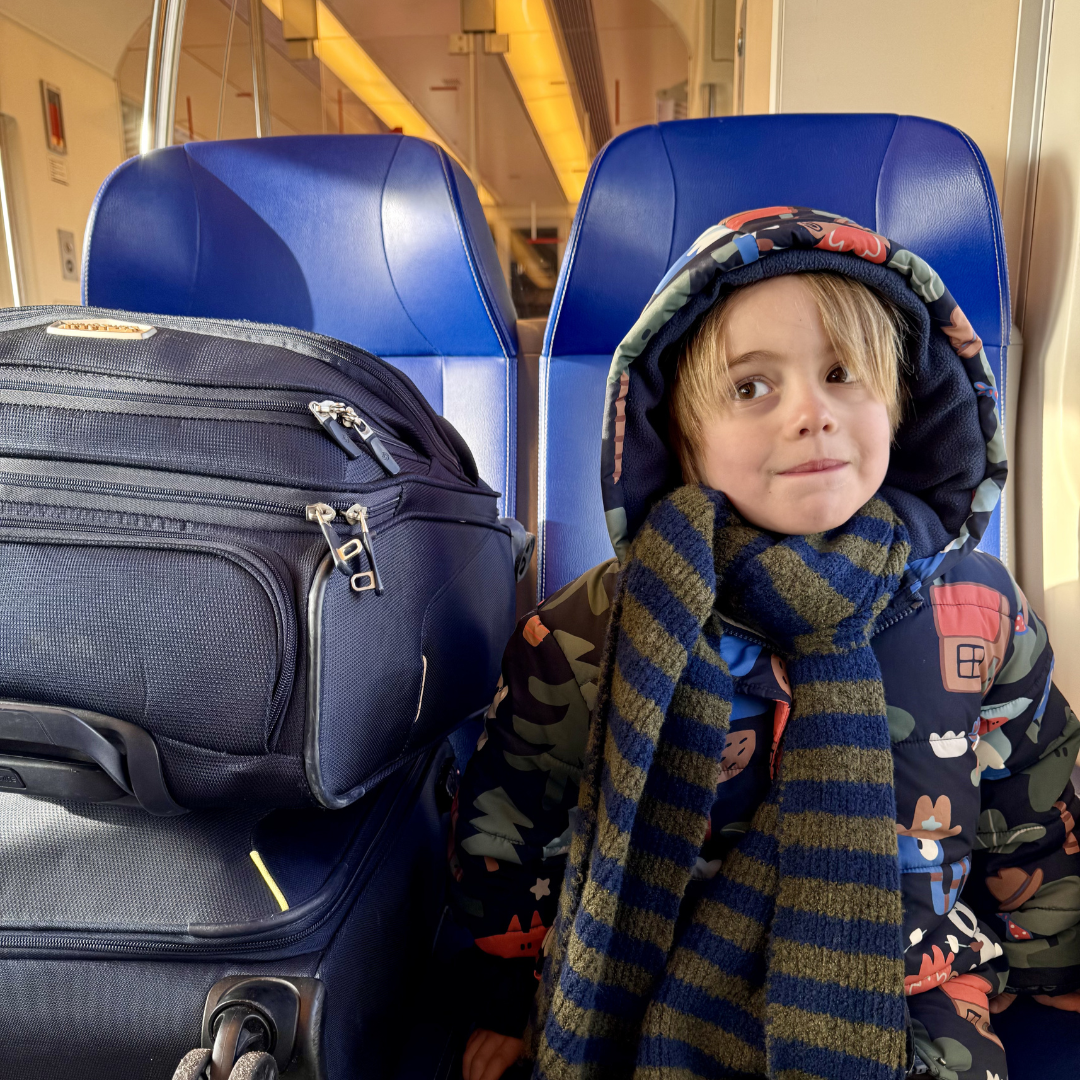
One of the most noticeable differences? Independence is expected and trusted from a young age.
Children as young as 8 walk or cycle to school, rain, snow, or shine.
Six-year-olds confidently ride to knock on friends’ doors after school.
Kids help with dishes and household chores as part of everyday life.
There is no big ceremony around it. Independence is not something children “earn”. It is something they grow into naturally.
What this builds:
Confidence
Decision-making skills
Problem-solving ability
A strong sense of capability
2. Streets Are Designed for Children, Not Just Cars
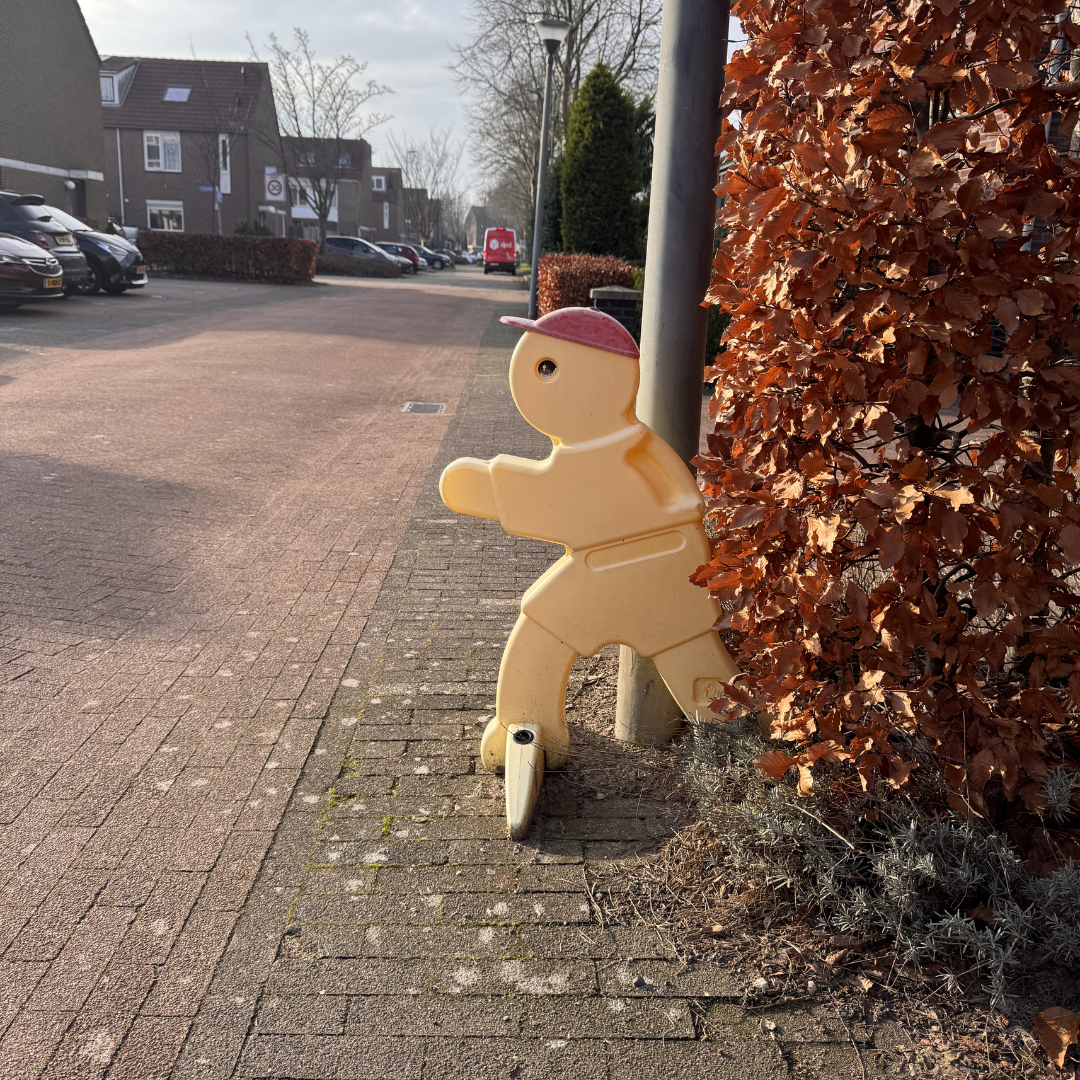
In many Dutch neighbourhoods, the hierarchy is clear.
First: People.
Second: Bikes.
Third: Cars.
Residential streets often display “play street” signs. Cars slow right down. Drivers expect children to be present.
This creates something powerful: psychological safety. Children feel free to move, explore, and play without constant adult supervision hovering nearby.
Why this matters for parenting:
When the environment supports freedom, parents do not need to micromanage every movement. The community itself becomes part of the safety net.
Neighbours check in. People look out for each other. Children are visible and valued in public spaces.
3. Museums That Spark Big Conversations
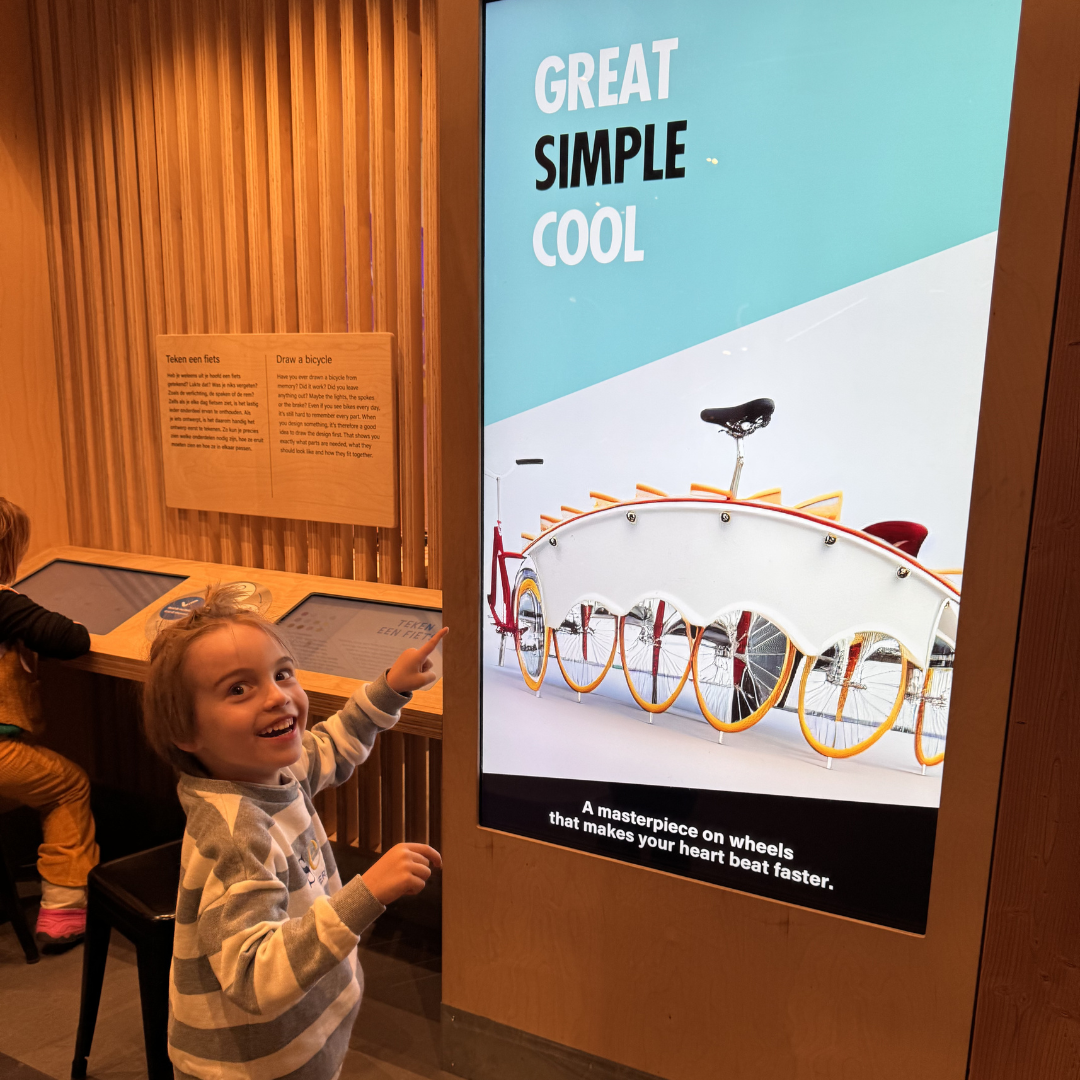
We were struck by how interactive and thought-provoking Dutch museums are for children.
Exhibitions invite kids to:
Learn how bikes are built
Explore the impact of fast fashion
Design their dream neighbourhood
Experiment, touch, question, and debate
Learning feels active, not passive.
Children are not just consuming information. They are forming opinions.
4. Play Is Everywhere and Prioritised

Almost every block has a playground. Outdoor play happens daily, even in winter.
Children are not rushed from structured activity to structured activity.
Instead, there is space for:
Unstructured imagination
Physical risk-taking such as climbing and balancing
Social negotiation with peers
Play is not treated as a reward after “real work”. It is the real work of childhood.
The result? Stronger resilience, better emotional regulation, and greater social competence.
5. Family Life Is Protected
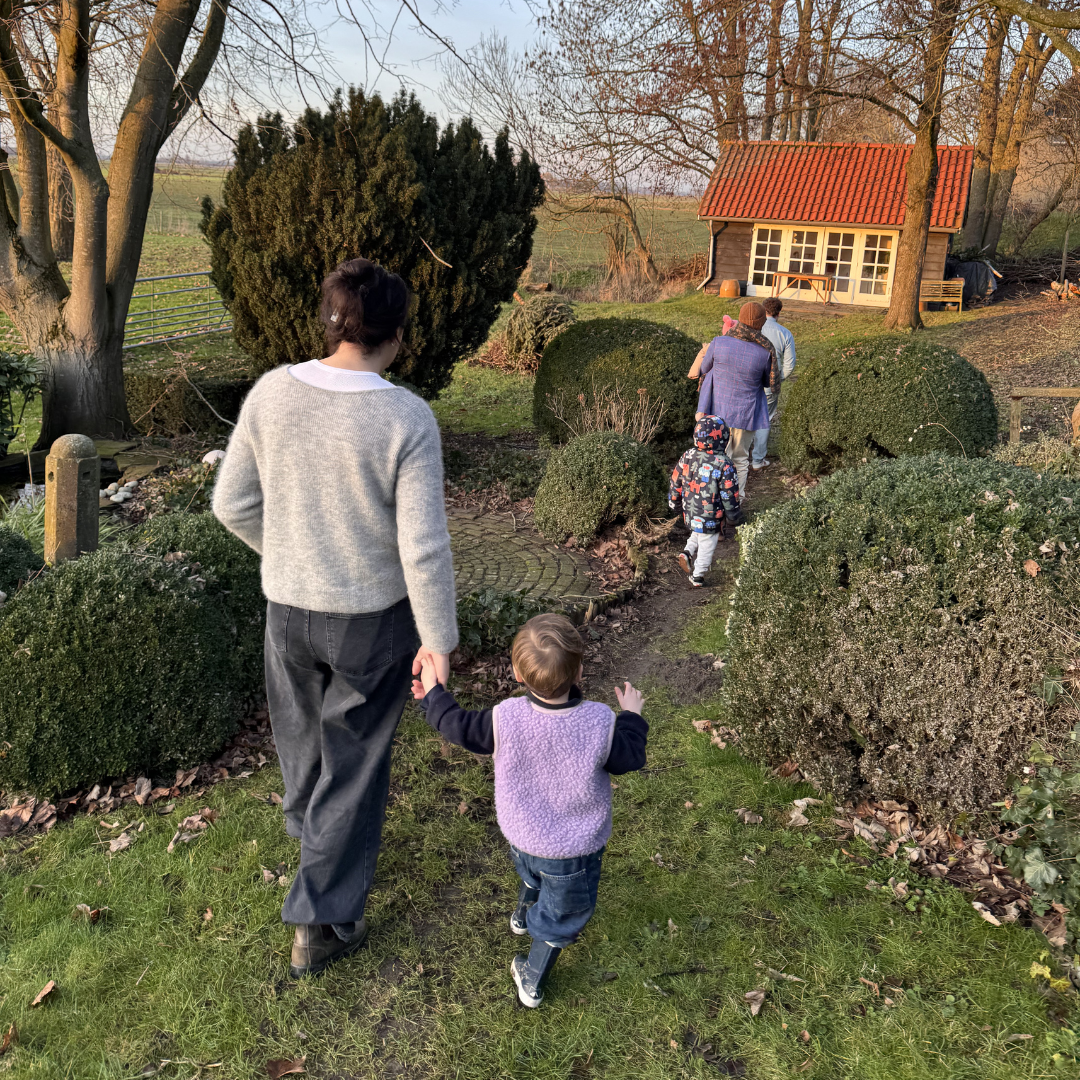
Work-life balance in Dutch culture is not aspirational. It is embedded.
Family dinners matter.
Weekends are slower.
Time together is protected.
Family time often happens outdoors. Cycling together, walking through parks, exploring nature reserves, or simply playing outside are regular parts of life, even in winter. Fresh air and movement are shared experiences, not special occasions.
When adults are less burnt out and less rushed, children feel that calm. They sense emotional availability and stability.
What Can We Learn from Dutch Parenting?
Of course, culture, infrastructure, and policy all play a role. We cannot replicate everything overnight.
But the underlying principles of positive parenting are transferable:
Trust children with age-appropriate independence
Allow manageable risk
Normalise failure
Prioritise play
Build community connection
Protect family time
Because raising resilient kids does not require perfection. It starts with trust, balance, and small everyday shifts.
Ready to Raise Confident, Resilient Kids?
If you’re inspired by Dutch parenting and want to nurture independence, resilience, and emotional wellbeing at home, explore more of our Positive Parenting resources.